Quick Facts
| Location |
Mount Desert Island, Maine |
| Known For |
Acadia National Park, Cadillac Mountain, rugged Atlantic coastline, and fresh Maine lobster |
| Best Time to Visit |
Late May through October |
| Recommended Stay |
2–3 days |
| Best For |
Scenic drives, coastal landscapes, wildlife, and maritime history |
| Getting Around |
Car, shuttle (seasonal), bicycle, or on foot downtown |
Why Visit Bar Harbor?
Some destinations are famous for their beaches.
Others are known for their mountains.
Bar Harbor is one of the few places where you can experience both in a single day.
Nestled along Maine's rugged coast, Bar Harbor is the gateway to Acadia National Park, where granite peaks rise above the Atlantic Ocean, evergreen forests surround crystal-clear lakes, and scenic roads reveal unforgettable views around nearly every bend.
For more than a century, travelers have come here for spectacular scenery, fresh ocean air, and a slower pace of life. While the grand summer estates of the Gilded Age have largely disappeared, the reasons people continue to visit remain remarkably unchanged.
Whether you're exploring Acadia, enjoying fresh Maine lobster along the waterfront, or watching fishing boats return to the harbor, Bar Harbor offers a rare combination of natural beauty, maritime heritage, and small-town charm.
What Makes Bar Harbor So Unique?
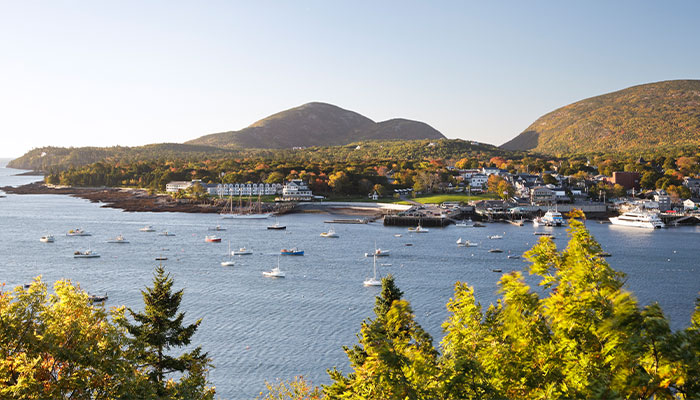
Bar Harbor's greatest attraction isn't a single viewpoint or landmark.
It's the remarkable variety of landscapes found within one relatively compact region.
Mountains, forests, freshwater lakes, wetlands, and rugged Atlantic coastline exist side by side. In the span of an afternoon, you can stand atop a mountain, walk beside a peaceful pond, listen to waves crash against granite cliffs, and enjoy dinner overlooking a working harbor.
Few destinations offer such diversity without requiring hours of travel between experiences.
The landscape itself has been millions of years in the making. Ancient granite formed deep beneath the Earth's surface before glaciers sculpted it into the rounded peaks, rocky shoreline, and clear lakes that define Acadia today.
The story of how Acadia was preserved is equally remarkable.
Acadia became the first national park established east of the Mississippi River. Unlike many national parks, much of its land was donated by private citizens who believed Mount Desert Island deserved lasting protection. Their vision continues to shape the park today.
Bar Harbor grew alongside that legacy. Once a small fishing community, it became one of America's premier summer destinations during the Gilded Age, attracting families such as the Rockefellers, Vanderbilts, Astors, and Morgans. Although many of their grand estates have disappeared, the town never lost its connection to the sea.
Today, working lobster boats still leave the harbor each morning, locally owned businesses line the downtown streets, and the rhythm of coastal Maine continues as it has for generations.
📍 Did You Know?
- More than 47,000 acres
- 158 miles of hiking trails
- 45 miles of historic carriage roads created by John D. Rockefeller Jr. and his family
- Nearly 64 miles of rugged Atlantic coastline
Originally established as Lafayette National Park in 1919, it was renamed Acadia National Park in 1929 after the historic French colony of Acadia, which once included parts of present-day Maine and Atlantic Canada.
Must-See Experiences in Bar Harbor
Bar Harbor isn't defined by a single attraction.
Instead, it's the variety of experiences that makes a visit so memorable. One day might begin atop a granite mountain, continue along one of New England's most scenic drives, pause beside a thundering stretch of coastline, and end with fresh seafood overlooking a working harbor.
Together, these experiences reveal why Bar Harbor is one of New England's most distinctive destinations.
Explore Acadia National Park
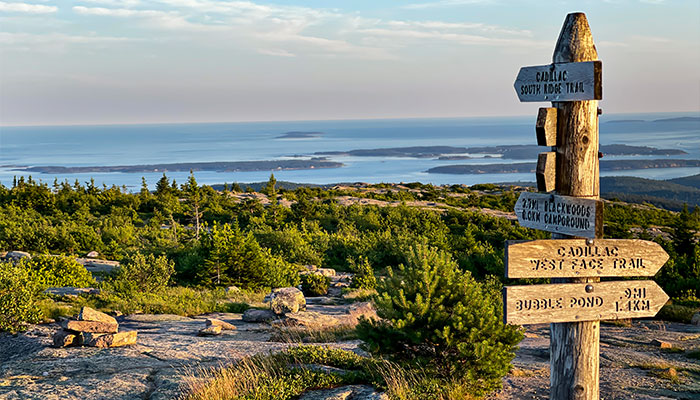
Acadia National Park is the landscape that defines Bar Harbor. Within its 47,000 acres, mountains, forests, lakes, and rugged Atlantic coastline come together in a way that's rare anywhere else in the United States.
Scenic overlooks, peaceful ponds, historic carriage roads, and dramatic coastal viewpoints are all within a relatively short drive, making every day in the park feel different.
Whether you spend your time hiking, photographing the scenery, or simply enjoying the drive, Acadia rewards curiosity and invites visitors to slow down and explore.
💡 Travel Tip: If your schedule allows, begin exploring early in the morning. The roads are quieter, wildlife is often more active, and the soft light makes the scenery especially beautiful.
Stand Atop Cadillac Mountain
At 1,530 feet above sea level, Cadillac Mountain is the highest point on the eastern seaboard of the United States and one of Acadia's defining landmarks.
The summit offers sweeping views across Mount Desert Island, Frenchman Bay, and dozens of small islands scattered across the Atlantic. Looking across Mount Desert Island, mountains, forests, and the Atlantic Ocean seem to merge into a single landscape.
For much of the year, Cadillac Mountain is also among the first places in the United States to see the sunrise, attracting photographers and early risers from around the world.
From the summit, it's easy to appreciate why this landscape has inspired generations of visitors.
💡 Travel Tip: During peak season, reservations are typically required to drive the Cadillac Summit Road. Check the National Park Service website before your visit.
Drive the Park Loop Road
Designed to showcase Acadia's most spectacular scenery, Park Loop Road links many of the park's best-known landmarks into one of New England's most scenic drives. Rather than rushing from stop to stop, visitors can pull off at overlooks, explore short walking trails, and experience how dramatically the landscape changes from forests and lakes to granite cliffs and the Atlantic coastline.
Along the way you'll pass many of Acadia's best-known landmarks, making it one of the easiest ways to experience the park's remarkable variety.
💡 Travel Tip: Drive the loop clockwise as designed by the National Park Service and plan extra time for scenic pullouts – you'll likely stop more often than expected.
Experience Thunder Hole
Thunder Hole is one of Acadia's most famous natural attractions. Here, incoming waves force air through a narrow granite inlet, creating a deep, thunder-like roar and sending seawater high into the air under the right conditions.
Because tides and wave height constantly change, every visit is different, making the experience feel as dynamic as the coastline itself.
💡 Travel Tip: Thunder Hole is usually most active one to two hours before high tide. Check local tide charts before visiting.
Explore Rockefeller's Historic Carriage Roads
Between 1913 and 1940, John D. Rockefeller Jr. and his family created 45 miles of carriage roads that wind gracefully through forests, around lakes, and across handcrafted granite bridges.
Closed to motor vehicles, they're ideal for walking, cycling, and seasonal horse-drawn carriage rides, offering a quieter way to experience the park.
Visit Jordan Pond
Jordan Pond is one of Acadia National Park's most photographed locations. Its exceptionally clear water reflects the rounded mountain peaks known as the Bubbles, creating a view that has inspired artists and photographers for generations.
Walking the shoreline offers a quieter side of the park, where calm waters and surrounding forests provide a peaceful contrast to Acadia's rugged coastline. The relatively flat Jordan Pond Path also makes this one of the park's most accessible scenic walks.
Wander Through Downtown Bar Harbor
Downtown Bar Harbor is more than a collection of shops and restaurants.
It's still a working waterfront, where lobster boats unload their catch alongside sailing vessels and whale-watching boats preparing for the day's excursions.
The compact downtown is easy to explore on foot, with locally owned galleries, cafés, bookstores, and seafood restaurants clustered just a few blocks from the harbor. Walking the Shore Path offers another perspective, following the waterfront past historic inns and sweeping views across Frenchman Bay.
That balance between everyday coastal life and welcoming visitor experiences gives Bar Harbor much of its enduring character.
What Food Is Bar Harbor Known For?
Bar Harbor's cuisine reflects generations of life along the Atlantic coast. Fresh seafood, wild blueberries, and long-standing local traditions continue to define the region's cuisine, offering visitors a true taste of coastal Maine.
Fresh Maine Lobster
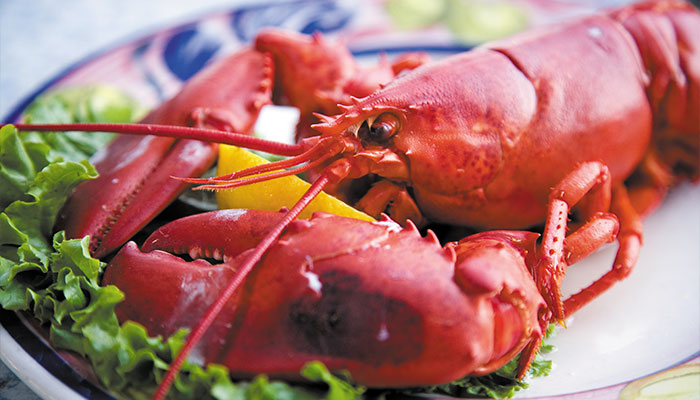
No meal is more closely associated with coastal Maine than fresh lobster.
Harvested from the cold waters of the Gulf of Maine, lobster supports thousands of fishing families and remains one of the state's most recognizable traditions. Careful conservation practices, including strict harvesting regulations, have helped maintain one of the world's most sustainable lobster fisheries.
Whether enjoyed steamed with drawn butter or in a classic lobster roll, fresh Maine lobster is an essential part of the Bar Harbor experience.
Jordan Pond House Popovers
One of Acadia's most enduring traditions is stopping at Jordan Pond House for warm popovers served with butter, strawberry jam, and tea. Visitors have enjoyed this simple ritual since the late 1800s while overlooking Jordan Pond.
Wild Maine Blueberries
Maine is the nation's leading producer of wild blueberries.
Unlike cultivated blueberries, wild blueberries grow naturally across rocky barrens and are smaller, sweeter, and more intensely flavored. They're used in pies, muffins, pancakes, jams, and desserts throughout the state.
If there's one dessert to try while you're here, it's a slice of wild blueberry pie.
Wildlife You Might See in Acadia National Park
The meeting of mountains, forests, wetlands, lakes, and the Atlantic coastline creates one of the Northeast's richest wildlife habitats.
Harbor Seals
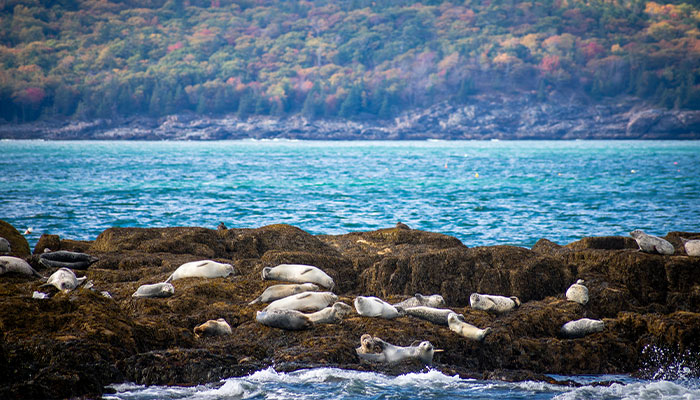
Harbor seals are frequently seen resting on rocky ledges at low tide or swimming through Frenchman Bay.
Watching one quietly surface offshore is a highlight of a boat tour or waterfront stroll.
Bald Eagles and Peregrine Falcons
Acadia's granite cliffs provide nesting habitat for peregrine falcons, while bald eagles soar above lakes and coastlines.
Both species serve as reminders of the park's successful conservation efforts and healthy ecosystems.
Whales in the Gulf of Maine
The nutrient-rich waters offshore support humpback, fin, and minke whales during the warmer months.
Although sightings can never be guaranteed, whale watching cruises offer visitors the opportunity to experience one of the Atlantic's richest marine environments.
When Is the Best Time to Visit Bar Harbor?
Bar Harbor offers a different experience in every season. Most travelers visit between late spring and fall, when Acadia National Park’s roads, attractions, and seasonal services are fully available.
The best time to visit depends on the experience you prefer.
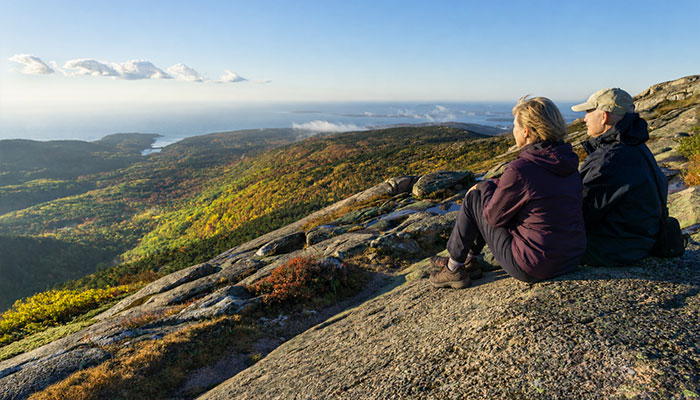
Late Spring – Fewer Crowds and Fresh Greenery
Late May and June bring blooming wildflowers, comfortable daytime temperatures, and fewer visitors than midsummer.
It is a rewarding time for scenic drives, wildlife viewing, and exploring Acadia before the busiest travel season begins. Some mornings and evenings can still feel cool, so packing layers is helpful.
Summer – Long Days and Full Access
July and August offer long daylight hours and the widest selection of activities. Restaurants, shops, boat tours, and park services are operating at full capacity.
Summer is also the busiest season, so advance planning is important. Cadillac Summit Road vehicle reservations may be required, and popular parking areas can fill early.
Fall – Foliage and Crisp Coastal Weather
September and October bring cooler temperatures and vibrant fall color across Mount Desert Island.
Red, orange, and gold foliage creates a striking contrast with Acadia’s granite peaks and Atlantic coastline. Fall remains popular, particularly during peak foliage, but it offers some of the region’s most memorable scenic drives.
Frequently Asked Questions About Bar Harbor
Is Bar Harbor worth visiting?
Yes. Few destinations combine granite mountain peaks, rugged Atlantic coastline, a walkable harbor town, and a celebrated national park within such a compact area.
Bar Harbor is especially rewarding for travelers interested in scenic drives, wildlife, maritime history, photography, and coastal New England culture.
How Many Days Should You Spend in Bar Harbor?
Two to three days gives most visitors enough time to explore downtown Bar Harbor and experience several of Acadia National Park’s highlights without feeling rushed.
A shorter visit can still include scenic drives, coastal viewpoints, and time along the waterfront.
When Is the Best Time to Visit Bar Harbor?
The best time to visit depends on the experience you're looking for.
Late spring (May and June) offers blooming wildflowers, comfortable temperatures, and fewer crowds. Summer provides the longest days and full access to attractions, while fall brings vibrant foliage and some of New England's most scenic coastal drives.
Is Bar Harbor RV Friendly?
Yes. Bar Harbor and Mount Desert Island are popular destinations for RVers, with several nearby campgrounds providing convenient access to Acadia National Park and downtown.
During the busiest summer and fall months, campground reservations should be made well in advance.
Is Bar Harbor walkable?
Yes. Downtown Bar Harbor is compact and easy to explore on foot.
Restaurants, shops, galleries, the waterfront, and the historic Shore Path are all located within a comfortable walking distance.
Do you need a reservation for Cadillac Mountain?
A vehicle reservation is required to drive Cadillac Summit Road during designated dates in the peak travel season. A park entrance pass is also required.
Because reservation dates and policies may change, check the National Park Service website before visiting.
When is Thunder Hole most active?
Thunder Hole is often most dramatic one to two hours before high tide, when incoming waves may force air through the narrow granite inlet and create its distinctive roar.
Tides, wind, and wave height all affect the experience, so conditions vary from one visit to the next.
Is Acadia National Park enjoyable if you don't hike?
Absolutely. Many of Acadia’s signature experiences can be enjoyed without strenuous hiking.
Park Loop Road, Cadillac Mountain, Thunder Hole, Jordan Pond, the carriage roads, and numerous scenic overlooks make the park accessible to visitors with a wide range of interests and activity levels.
Why Bar Harbor Belongs on Your Travel List
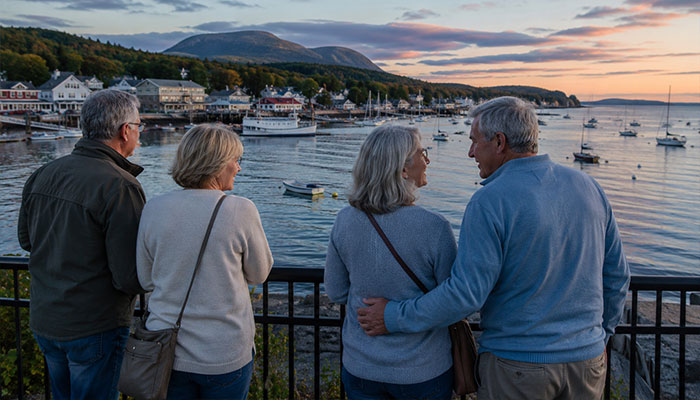
Bar Harbor stands out because every part of the experience feels connected.
Granite mountains rise above the Atlantic. Forests open to rocky shoreline. Lobster boats cross Frenchman Bay while visitors explore a town shaped by generations of maritime tradition.
The major landmarks are memorable, but so are the quieter moments – standing beside Jordan Pond, hearing waves echo through Thunder Hole, or catching the scent of spruce and salt air after a morning rain.
Together, those experiences create a destination that is distinctly Maine and difficult to replicate anywhere else.
Explore Bar Harbor with Fantasy RV Tours
Bar Harbor is one memorable stop on Fantasy RV Tours’ journeys through Eastern Canada’s Maritime Provinces.
Beyond Bar Harbor, the journey continues through coastal communities, historic ports, and some of Atlantic Canada's most distinctive landscapes.
Fantasy handles the campground reservations, routing, and day-to-day logistics, allowing you to focus on experiencing each destination instead of planning the next one.
Visit Bar Harbor on these guided adventures:
Bar Harbor is just one stop along the journey, but its combination of granite mountains, rugged coastline, and enduring maritime traditions makes it one of the experiences guests remember long after they return home.
About Fantasy Destination Guides
Fantasy Destination Guides are written by the Fantasy RV Tours team to help travelers better get to know the destinations we visit. Drawing on decades of guided RV travel experience, each guide combines practical planning advice, local history, and destination highlights to help you get more from every journey.